Veg-centric cuisine is a new menu category whose emergence is perhaps spurred by the rising cost of meat and a new consumer awareness of local produce and farmers-market culture. With its rise, we’re seeing the beginning of a major shift in how we view food. By holding vegetables in the high regard once reserved for proteins, chefs are using aggressive cooking techniques—roasting, grilling, smoking, and charring—to bring out deep and sophisticated flavours in produce.
The veg-centric movement has two rules. The first is that many, if not most, of these dishes use meat broths and bits as flavour enhancers and are decidedly not vegetarian. Veg-centric dishes celebrate the way a little meat makes food taste better while keeping produce at the forefront. The second is something I like to call “ABS”—Anything But Steaming. It adds absolutely zero flavour. Beyond that, the opportunities are unlimited.
Root-to-stem cooking minimizes waste, maximizes flavour
Food waste is a hot-button topic, and in a parallel mentality to the “nose-to-tail” movement, root-to-stem cooking uses the whole vegetable—minimizing waste, increasing margins, and inspiring new ideas. Whole-vegetable cooking opens up opportunities for new flavour combinations and less kitchen waste.
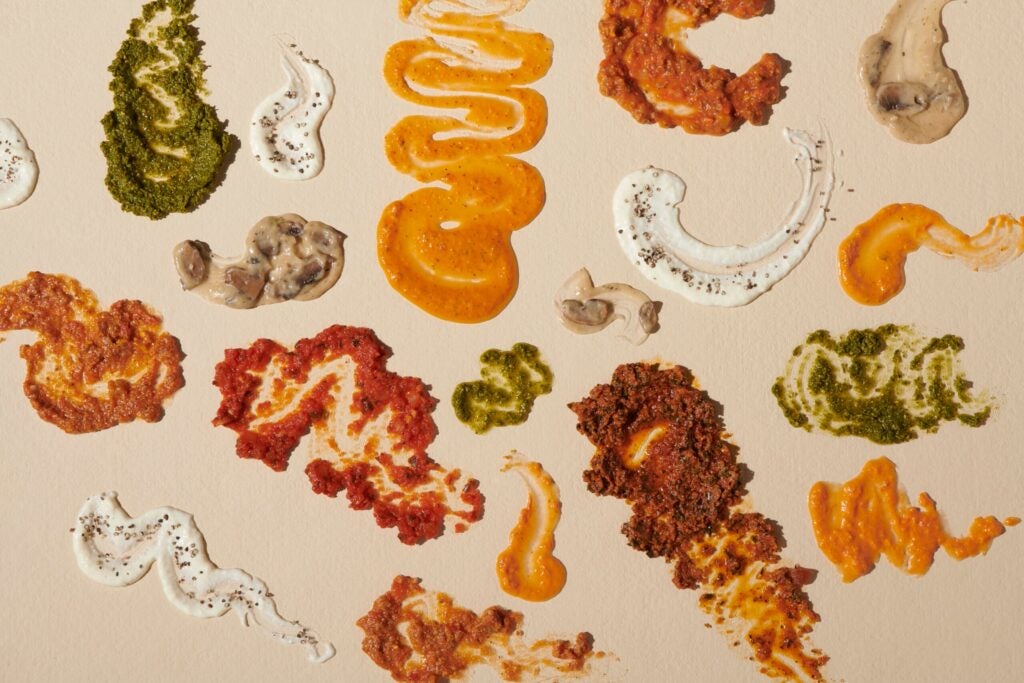
I’ve spoken with many chefs who employ methods to use every last scrap. They roast and simmer vegetable peels into broth, use corn cobs to add light corn flavour and starchy creaminess to dishes, and dehydrate apple peels to powder them in a spice mill for a finishing sprinkle on desserts. Stems from greens and herbs, melon rinds, and odd bits of vegetables become pickles. Carrots aren’t peeled at all; they’re simply scrubbed and roasted in all their knobby glory. Carrot tops are used in place of parsley on certain dishes. Squash seeds are roasted and spiced. Broccoli stems and leaves are puréed into a green sauce for roasted broccoli florets. Turnip-green pesto finishes a dish of roasted turnips and maple-braised pork belly, a quintessentially veg-centric dish. [[{“fid”:”168986″,”view_mode”:”default”,”fields”:{“format”:”default”,”field_file_image_alt_text[und][0][value]”:”Veg-Centric Opportunities”,”field_file_image_title_text[und][0][value]”:”Veg-Centric Opportunities”},”type”:”media”,”attributes”:{“alt”:”Veg-Centric Opportunities”,”title”:”Veg-Centric Opportunities”,”height”:”1040″,”width”:”1600″,”style”:”line-height: 19.994px; width: 500px; height: 293px; margin-top:20px;”,”class”:”media-element file-default”}}]]
Produce maximizes the appeal of seasonal dishes
Fruits and vegetables speak to the seasons. They evoke emotions that run deep within our collective memory. Winter brings root vegetables, potatoes, or perhaps pickles and preserves put up over warmer months. Spring emerges with tiny green shoots, earthy mushrooms, and delicate greens. Summer cascades in a bounty of colour—tomatoes, corn, mountains of zucchini and garlic. Fall, of course, brings pumpkin-flavoured everything but also hearty greens, heirloom apples and onions. The expanse of the palette available is awe-inspiring, and this sea change of veg-centric cooking brings unlimited opportunities.


 English (Canada)
  Français du Canada