Your story, if it’s compelling and honest, can generate buzz and create loyalty
Everybody loves a good story. In foodservice today, shaping and sharing your brand story is critical to success, helping differentiate your restaurant in a crowded marketplace.
“It’s never been more important to create a personal and emotional connection with your customer,” says Maeve Webster of Menu Matters, a consultancy for manufacturers and operators. “The most critical job of the restaurant brand story is to humanize the brand, particularly with younger consumers like millennials and Generation Z.”
Those younger generations are looking for shared experiences. Restaurants need to explore their origin, theme or passion, she maintains. Younger consumers like sharing stories that make them feel connected.
“Your story, if it’s compelling and an honest representation, can generate buzz and create loyalty,” Webster says.
What’s your story?
Before you can promote your brand, craft your story. Remember, details matter. “Why are you here? Why did you open? Are you using recipes given to you by your grandmother? Is all your food homemade?” Webster asks. “Very often, the reason independents open is a very personal, engaging story.”
Once you’ve articulated your brand story, take it to market: menu language, signage, training, marketing materials, public relations, media relations, investor relations.
“TV and radio aren’t what they used to be, and they are not typically cost-effective,” Webster says. She suggests maximizing marketing dollars by tying your efforts to your story. “If your story is farm-to-table, then do community events that support local farms. Have a presence at farmers’ markets. With everything around your story, ask yourself: What is the guest getting out of it?”
Heritage branding
Well-established restaurants—especially family-owned operations—can reinvigorate their brand and capture the attention and loyalty of consumers with something they already have: a longstanding brand story. A heritage of hospitality can be an important competitive differentiator.
Tell the story of your restaurant’s success. Include details that help guests get to know and feel connected to the family, heritage and tradition behind it—all elements that create nostalgia about a dining place.
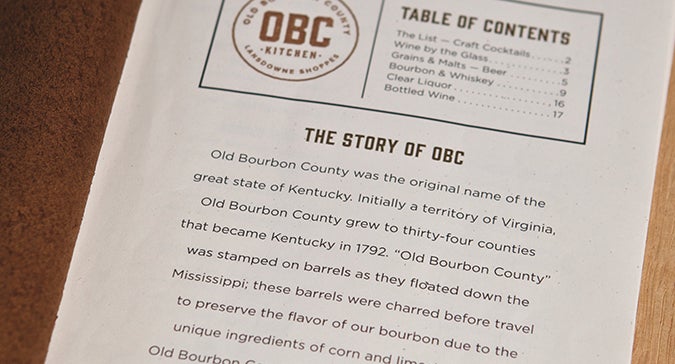
Convey your brand story graphically. Use a colour scheme that’s compatible with your story. Some colours symbolize value and trust, others represent cutting-edge, contemporary vision. You might also create a sense of history by incorporating the date your restaurant was founded in the logo.
Leverage social media to tell your story. Cite important dates and details in Tweets. Post throwback photos and stories on Facebook.
Make use of your menu. It’s food that brings guests back, so tell enticing stories about menu creations and/or signature ingredients. Those classics help anchor the story, whether it’s a link to the past, or to a community or even a given farm.
Train staff to tell your story. Make sure servers know the details of your story and can share it with customers.
Help your story evolve. Stories need to evolve to attract younger diners like the hugely important millennials. Emphasizing how newer menu items reflect changing flavour preferences can keep the brand story relevant. For example, tell how a dish is now prepared with with a local brew because that’s part of your connection to the community.
The six elements of engaging narrative style
Make it relevant. It’s your story, but you’re telling it to illustrate how you serve a consumer need. Wrap up the story by explaining how it leads to a superior dining experience for guests.
Make it personal. Engage with customers on an emotional level. Use informal, but still professional language—“we,” “our,” “us.”
Make it brief. Aim for no more than three paragraphs of three sentences or less.
Make it clear. Delineate no more than two specific points of differentiation that will engage your customers on an emotional level. These can include anything from food quality to service attitude to signature dish to location.
Make it last. Make sure you can live with—and live up to—this story for a long time to come. Consumers value the stability and consistency of a story.
Make it true. Authenticity and transparency are paramount for today’s consumer. Don’t make promises you can’t keep.
Menu Language Magic
Different values resonate with different diner demographics, and the most effective way to convey those values is through menu language. Depending on your market, rely on the power of words to help deliver your story.
Baby-boomer buzzwords:
“low-calorie” and “low-sodium”
“citrus-infused”
“herb-encrusted”
“wood-grilled”
“oak-charred”
“bites”
“half portions”
Millennial buzzwords:
“pure”
“all-natural”
“heirloom”
“bold”
Generation Z buzzwords:
“organic”
“100% grass-fed”
“all-natural”
“fair trade”
“cider-glazed”



 English (Canada)
  Français du Canada