Classics get a better-for-you makeover focusing on veg-centric eating.
Good news for everyone striving to make dishes healthier. More people are gravitating toward a better-for-you eating lifestyle that focuses on vegetables, fruits, whole grains, legumes and nuts as the foundation of dishes. For healthcare foodservice, the time to capitalize on that movement is now.
integrate smaller, complementary portions. In many global dishes, meat is a flavouring agent—akin to a condiment or garnish. Utilizing this practice in recipe makeovers gives a nod to North Americans who crave meat. It increases perceived value, builds plate coverage using less-costly seasonal produce and other foods from the soil that help keep plate costs within budget.
When promoting “veg-centric” in healthy makeovers, here are simple satiety-building hacks:
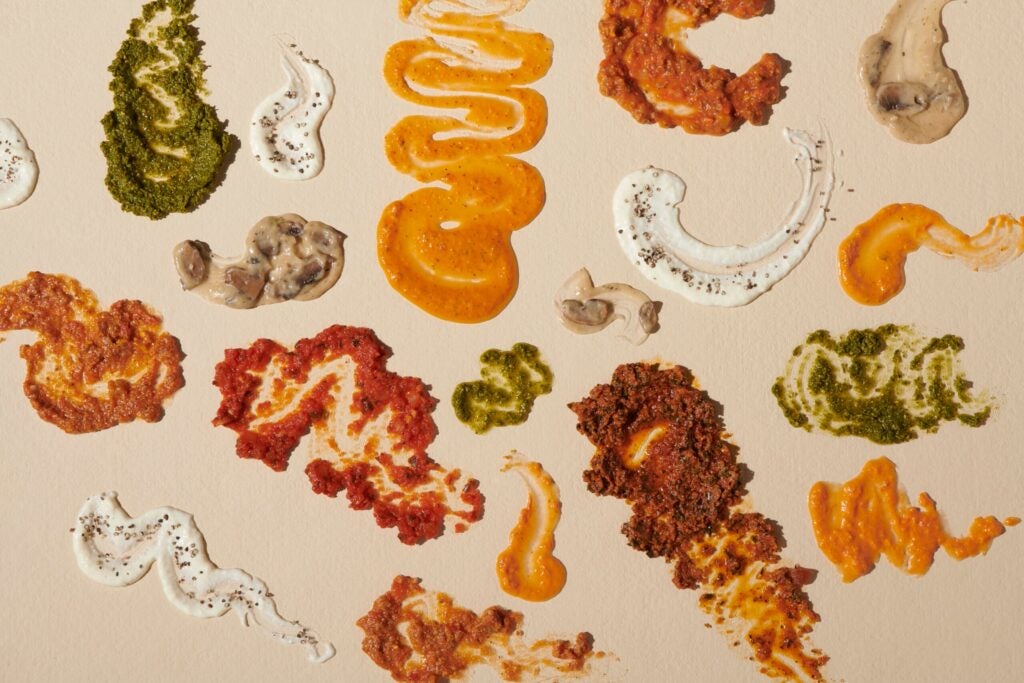
Pump up the umami. Umami creates a sensation of full flavour, reducing the need for salt. Think small amounts of meats, fatty fish, cheese, mushrooms, tomatoes and soy sauce.
Go local. Sourcing ingredients grown or harvested within a reasonable distance capitalizes on seasonality and freshness, when foods are at their flavour peak.
Remember mouthfeel. Consider texture, including visual. People enjoy foods with more than one texture because the contrast makes them more interesting.
Herbs and bulbs. The season is awash in fresh herbs like basil, mint and cilantro. The right amounts, plus aromatics like onions, garlic and fennel, satisfy with less salt.
Say it with citrus. A little acidity from citrus fruits adds a bright tang or tartness (often with sweetness), elevating the flavour experience. If fresh isn’t cost-effective, consider juice with no added sugar.
Olive oil and vinegars. Unlike animal fats, olive oil is monounsaturated. Plus, extra virgin olive oil won’t mask other flavours. It has the same calories per gram as other fats, so use strategically. A touch of balsamic, sherry, apple and other vinegars adds tangy acidity.
Chiles. The heat—from mild to wild—and spice of chile peppers adds boldness, which means less reliance on salt and fat. Hot sauces have the same power. (Check labels for sodium.)
Featured Recipes:

Walleye Papillote with Quinoa Tabbouleh Salad
Lake fish meets French prep when steamed in parchment. Whole-grain quinoa delivers plant protein in a Middle Eastern side in which tangy feta and citrus replace some fat and sodium.

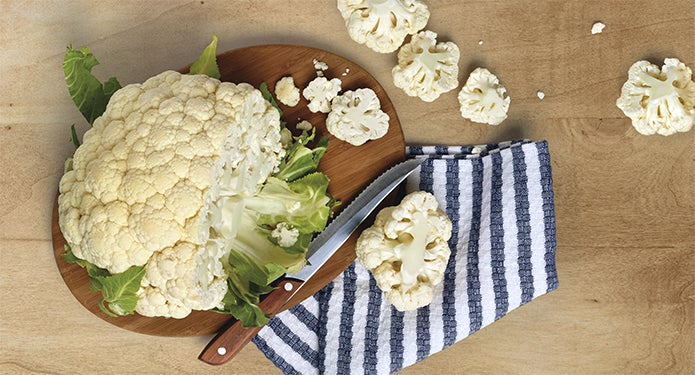
Thick-sliced cauliflower embraces tender-toothsome qualities of prime steak with less fat and fewer calories. Bold flavour in romesco and citrus notes in salsa mean less reliance on salt.

Cauliflower Pizza with Italian Chicken Sausage
This gluten-free crust is lower in carbs and calories than wheat flour. Italian chicken sausage delivers full flavour, while robust sauce boosts satisfaction. Crowning with peppery arugula says “garden fresh.”

Top this colourful mélange of vegetables with extra virgin olive oil and add a splash of excitement with balsamic vinegar, pickled onions and citrus with a note of creamy feta.

Tomato and Strawberry Gazpacho
A garden in a bowl, this refreshing chilled soup made without dairy benefits from rich aromatics. Strawberries deliver a tantalizing sweet twist on the Spanish classic.

Fire-Roasted Eggplant Schnitzel with Red Cabbage and Apple Salad
A plant-based version of the pan-fried meat cutlet has built-in menu interest. Roasting deepens flavour without fat from oil. A warm, Dijon-spiked bacon dressing provides a flavour treat.


 English (Canada)
  Français du Canada